
Hadley Termite & Pest Control
Pest Control Services
Keep Pesky Bugs Outside of Your Home
Pest Control Services in Gulf Shores and Lillian Areas
At Hadley Termite and Pest Control, we offer pest control services for every space. We aim to keep your homes, condos, rentals, and businesses free from pests and provide peace of mind. With a keen focus on prevention, our expert team creates a strong outside barrier to keep bugs from entering. Prices will vary based on structure size and overall pest profile. Trust Hadley for reliable, professional pest control services that keep your spaces pest-free in Baldwin County. Call 251-961-7109 for an estimate.


Protect Your Pets and Home from Unwanted Fleas
Your Neighborly Helping Hand in Flea Management
Fleas are notoriously difficult to eliminate once they invade your home. With their complete life cycle, including egg, larvae, pupae, and adult stages, treating them requires expertise. The thick "skin" of the egg and pupae phases makes them virtually un-killable to ordinary chemicals. Don't worry, at Hadley Termite & Pest Control, we have effective strategies to combat fleas in your home.
While there's no magical solution that eliminates all fleas and their eggs in one go, our treatments are tailored to the level of infestation. Fleas hatch in a 7-10 day cycle, so we schedule treatments every other week. We usually require a minimum of 3 visits to ensure effective eradication.
Prevention is key to avoiding flea infestations. Keep your pets on a flea management system recommended by your veterinarian. If your home does become infested, we will become partners who work together to solve the problem. Let us help you reclaim your home from these persistent pests.
Try the White Sock Test
Take the White Sock test to check for fleas in your home.
- Put on a pair of clean pants and cover them with white socks.
- Scuff your feet around the house, imitating the motion of building up static electricity.
- Watch closely – if you see black pepper-sized specs leaping on and off your socks, it's a sign of fleas.
While not definitive, this test is usually correct in detecting their presence.

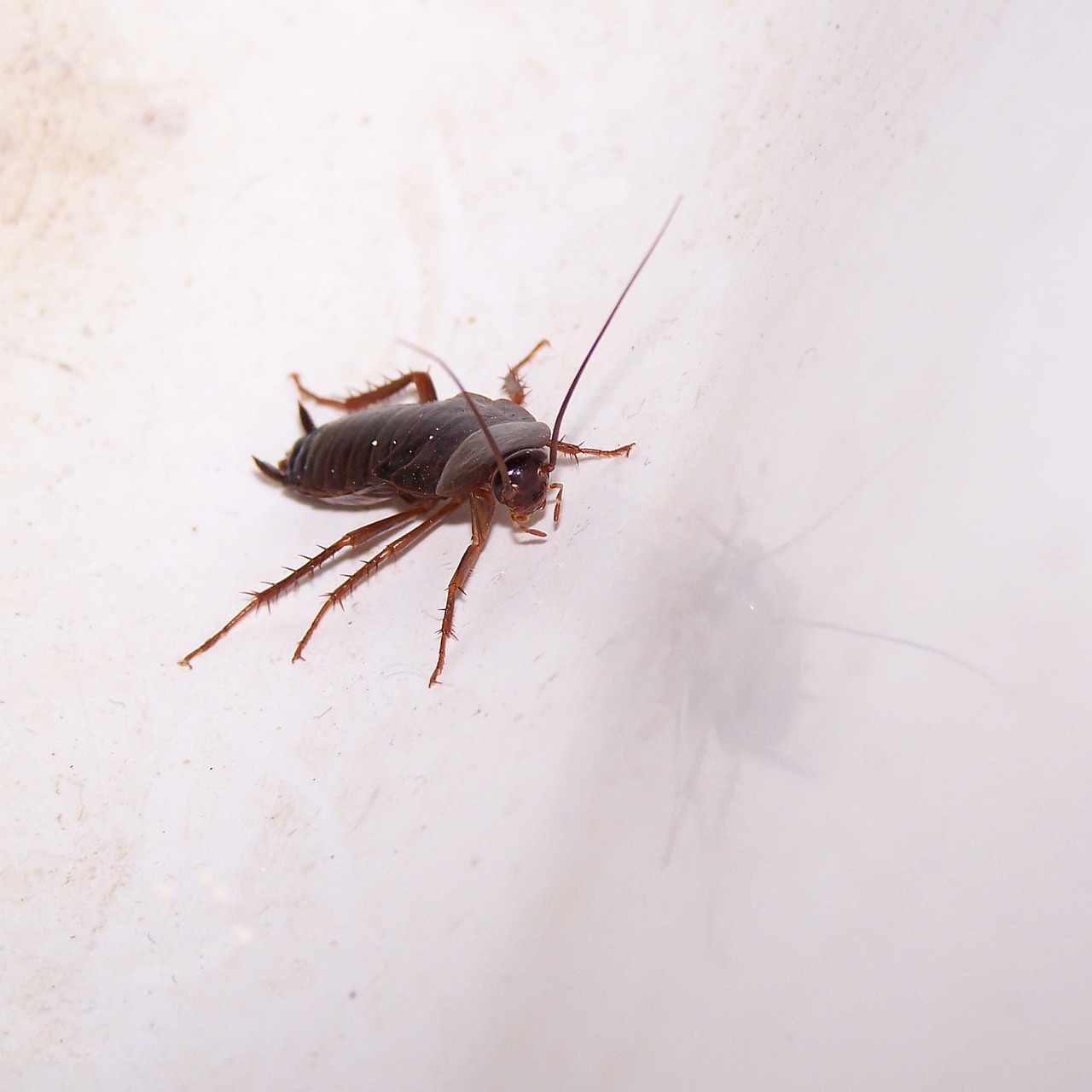
Professional Cockroach Control
German Roach Pest Solutions in Baldwin County
German Roaches are a nightmare to eliminate due to their sheer numbers and ability to live harmoniously with humans. They can even hitch a ride with you through luggage, boxes, or neighborhood grocery pick-ups. Be vigilant and check your belongings for signs of these unwanted hitchhikers.
If German roaches have taken over and made a run for your refrigerator, it's time to bring in the professionals. Our experienced pest control technicians will battle alongside you to rid your home of these nasty pests.
Answers to FAQs about Pest Control
Are fleas difficult to eliminate from my home?
Yes, fleas are notoriously resilient. With their intricate life cycle, targeting all stages of their development is crucial for successful elimination.
How can I reduce the risk of flea infestations?
Keeping your pets on a veterinarian-prescribed flea management system is the best preventive measure. Regular vacuuming and cleanliness also go a long way.
Why is vacuuming before and after treatment important in flea control?
Vacuuming before and after treatment is crucial in flea control for several reasons. The heat, carbon dioxide, and vibrations produced by the vacuum cleaner mimic the presence of a potential food source (you or your pets) so the fleas are drawn to the vacuum cleaner instead of you!
Vacuuming also helps remove adult flea leavings, leaving the larvae to starve, further reducing their population and their chances of re-infestation.
Why are German roaches challenging to eliminate?
German roaches are adept at living with humans. Their ability to hitchhike makes them hard to control and easy to spread. Their breeding cycle is aggressive. A single pair of German cockroaches can produce over 30,000 offspring in just one year!
How can I prevent German roaches from infesting my home?
Eliminate potential food sources in your kitchen. Inspect any items you intend to bring into your home outside first! You are looking for brown smudges, or roach scat, and the bugs themselves. Be vigilant when accepting things from friends and neighbors. Sometimes gifts come with a side of yucky bugs.

Megan Neel
Professional, and polite
We love Ryan! He is professional, polite and knows what he is doing. I love how easy it is to schedule and appointment and get the service needed and the girls in the office are wonderful. Also, they get rid of all of the tiny little critters and creepy crawlys
John harper
Great job
Very professional and super nice guy. He is also on time and does a great job. His name is Daily Bradshawl. I am glad he is our technician.
Tracy Wermuth
Extremely professional
We have been using Hadley since 2008. Ryan has been extremely professional and educational. We are very happy with them.
Marilee Williams
Highly recommend
Always arrives on time (or early). They are very personable, honest, and reliable with reasonable rates. We trust and like the termite sniffing dogs. Would highly recommend this company.
Charmian Winsett
Professionalism, Punctuality, Quality, Responsiveness, Value
I have been so impressed with this company. They are so kind and caring about answering any questions or concerns. My quarterly pest inspection takes care of any issues I might be having, they arrive on time or early and I highly recommend Hadley Termite and Pest Control!
Marilyn McGuane
Totally reliable, and trustworthy
Excellent service for over twenty years. Totally reliable, trustworthy and fine technicians to do the service. Highly Recommend Hadley Pest Control. Ryan Madden has serviced this house for years and it is always a job well done ;pleasantly and correctly.